The Texas Hill Country Standard:
Built for the Heat,
Armed for the Hail.
New Braunfels and Bulverde are our two primary markets. Specialized roofing and remodeling for those communities and for Dripping Springs, Boerne and Fredericksburg families since 2024. We build for three things this region does to houses: limestone that moves, hail that falls hard, and sun that never lets up.
Get My Instant Satellite Quote
Real satellite measurement of your roof — a price band in about two minutes, no sales visit required.
Locating your parcel…
Measuring from public satellite recordsA Hill Country roof fails differently than a Dallas roof.
Three regional forces drive nearly every decision we make on a house here. A contractor who works the same spec statewide is guessing at two of them.
Limestone & expansive clay
Thin caliche soil over limestone means water either runs off fast or sits in clay pockets that swell and shrink. That moves slabs, and slab movement telegraphs into racked roof planes and cracked tile. Drainage is a roofing issue here, which is why we quote gutters and downspout runs as part of the roof system, not an add-on.
Hail Alley impact load
Central Texas sits in one of North America's most active hail corridors. A standard 3-tab shingle bruises at roughly one-inch stone. UL 2218 Class 4 assemblies are tested against a two-inch steel ball dropped twice on the same spot without cracking the mat — and most carriers discount the policy for it.
Triple-digit UV and 40°F swings
Bulverde can swing 40°F between a July afternoon and the following dawn. That daily expansion and contraction is what actually kills asphalt — not one storm. Thermal cycling drives granule loss and mat crazing, so we spec reflective finishes and ventilation to slow the cycle down.
What other bidders call an upgrade, we call the baseline.
Most bids you receive will quote the cheapest compliant assembly, then sell you the real one as an extra. We start at the assembly we would put on our own houses — which is also the one that earns you an insurance credit.
UL 2218 Class 4 impact rating
Certified against a 2-inch impact without mat fracture. We hand you the manufacturer certificate at closeout so you can claim the credit — commonly cited at 10–25% off the wind/hail portion of a Texas policy. Your carrier sets the actual number.
Full synthetic underlayment
Felt absorbs water, wrinkles, and tears at the fastener when a crew walks it in August heat. Synthetic holds dimension, resists UV during dry-in, and gives a second water barrier when wind drives rain up a valley.
Sealed valleys, edges and penetrations
Roofs almost never fail in the open field. They fail at valleys, eaves, sidewalls and pipe boots. We ice-and-water those zones and replace boots and flashing rather than reusing them to save an hour of labor.
Insurance credit ranges reflect commonly published carrier and industry figures for Class 4 roofs in Texas and are not a guarantee. Eligibility, percentage, and documentation requirements are set solely by your insurer.
Aging asphalt → 24-gauge standing seam
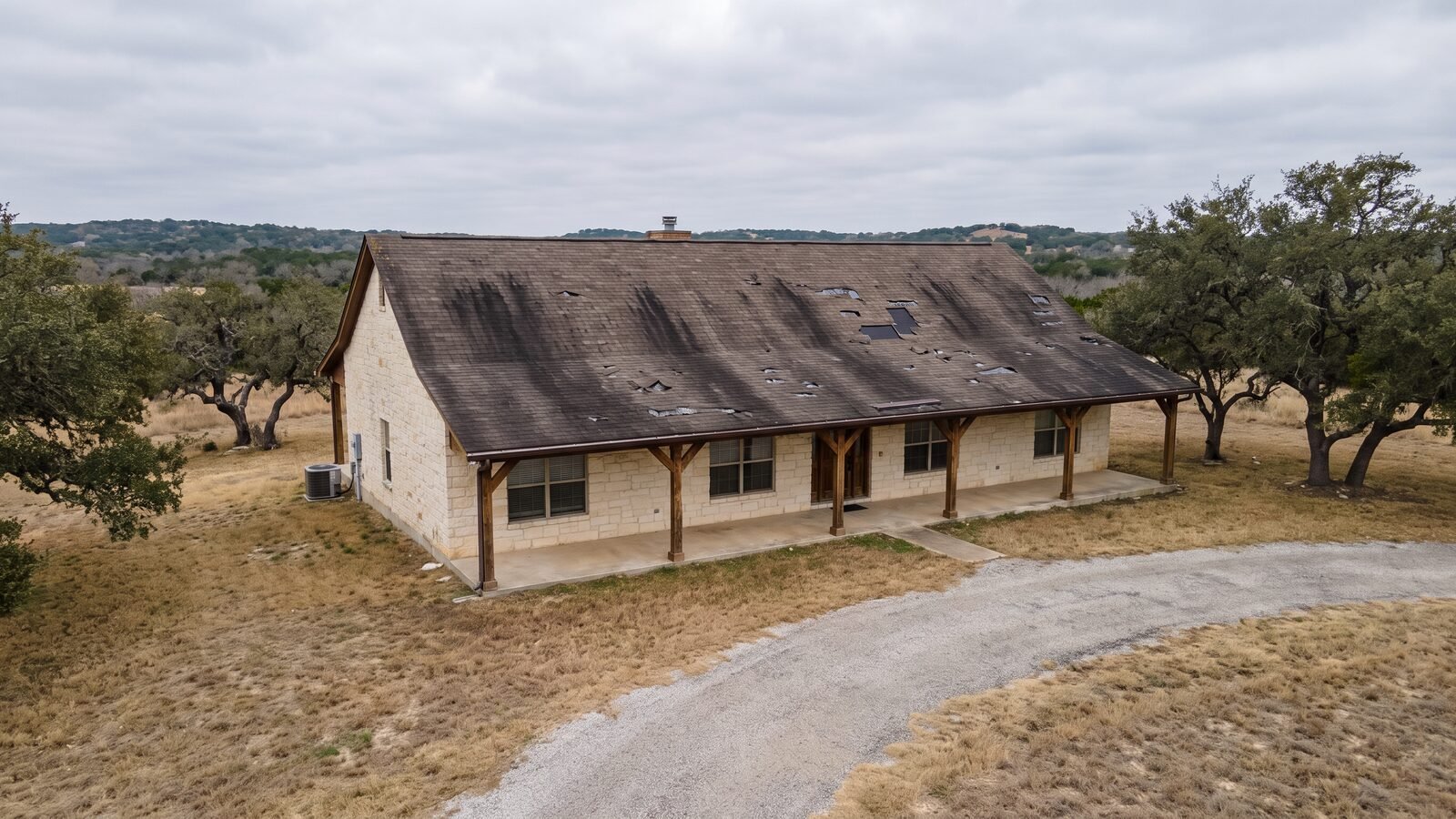
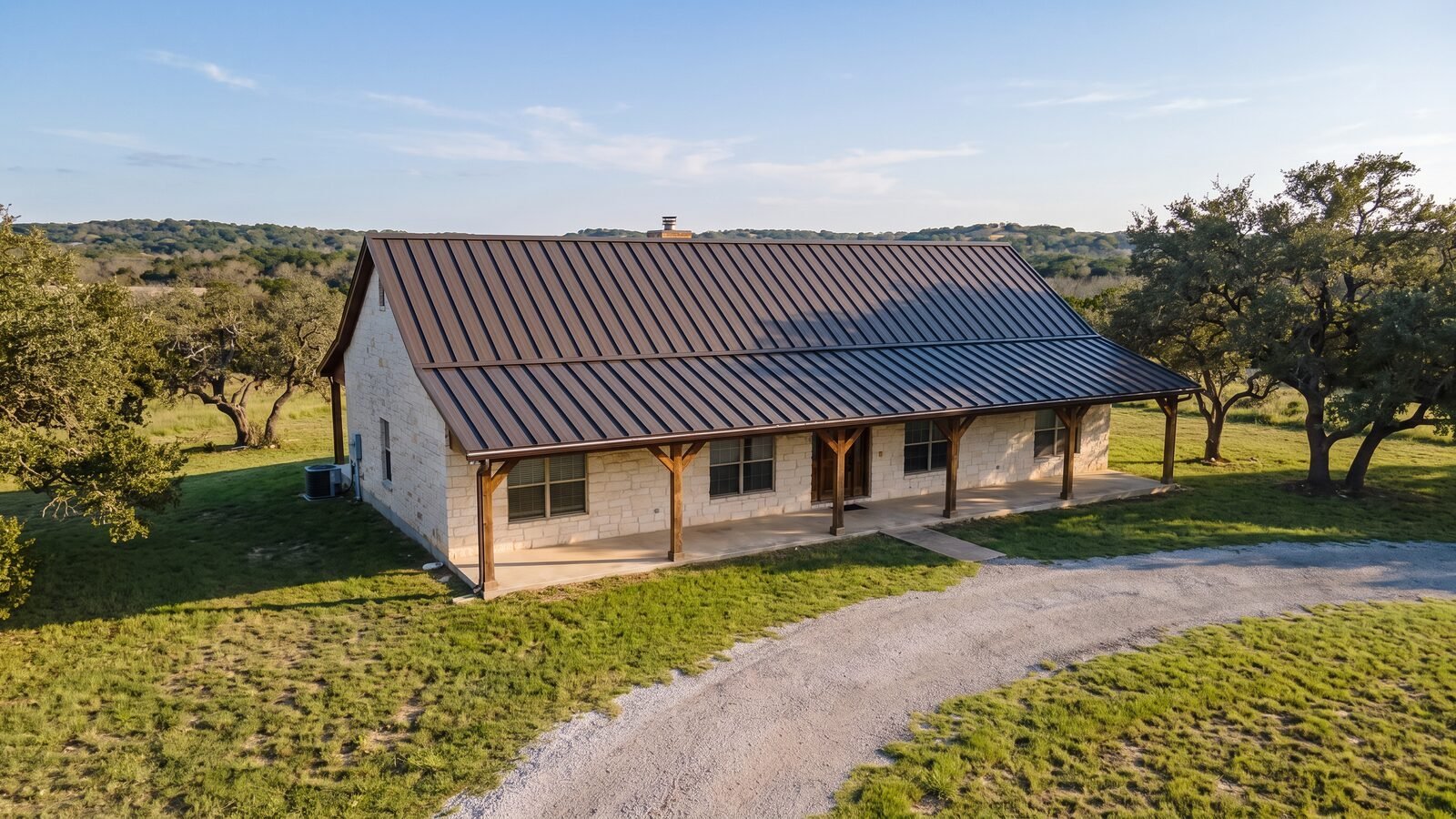
Same house, same angle. Drag to see what replacing a hail-bruised, algae-streaked asphalt roof with a dark bronze standing seam system does to a limestone elevation.
Failure mode
Granule loss, curled tabs and hail bruising after roughly 18 Texas summers.
System installed
24ga Galvalume standing seam, concealed fastener, Kynar 500® dark bronze.
Attic effect
Reflective finish over a ventilated deck — up to ~40°F cooler attic in peak sun.
Service life
40–70 years versus the 20–25 the asphalt was rated for.
Roofing, remodeling, and the systems in between.
A roof is one part of a working envelope. We quote the parts that touch each other together, because that is where houses in this region actually leak and move.
Roofing
Systems engineered for hail impact, 100°F+ UV load, and 40°F daily swings.
Remodeling
The Riverbend Framework — septic, well, and county permitting handled up front.
Home Systems
The envelope around the roof — water, wall, and power.
Completed jobs, mapped by town.
13 recent projects across 9 counties — concentrated in New Braunfels and Bulverde, and out through Dripping Springs, Boerne, Fredericksburg, Kerrville and Marble Falls.
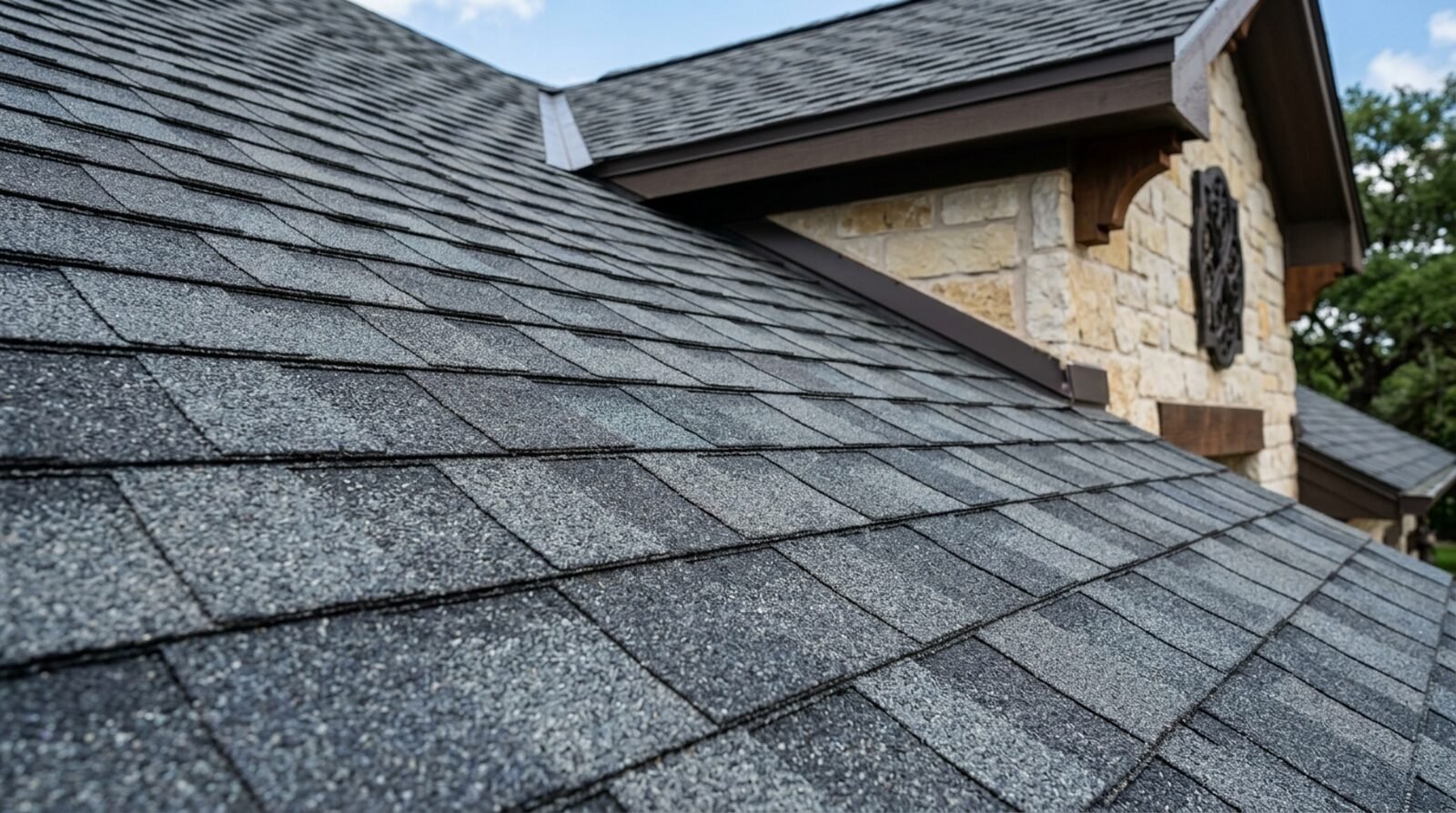 New Braunfels
Storm Damage
Post-hail full replacement; adjuster supplement documented on site.
Bulverde
Storm Damage
2.25" hail event; full replacement approved on supplement.
Dripping Springs
Metal Roofing
Rainwater-catchment-safe Kynar finish; 6,800 sq ft footprint.
Cleanliness, communication, owner oversight.
Not "great job, thanks." The three things people actually repeat when they describe working with us — because they are the three things most crews get wrong.
“They tarped the flower beds before a single shingle came off, and the magnet sweep at the end took two passes. My wife found zero nails in the driveway.”
“The adjuster initially approved a repair. They sent the drone imagery and the manufacturer bulletin, and it came back a full replacement. I did not have to argue with anyone.”
“I got a text every morning with who was coming and what they were doing. On a three-week remodel that is the difference between trusting someone and dreading the doorbell.”
Review disclosure: the testimonials above are illustrative samples written for this build, not verified customer submissions. Before launch they must be replaced with real reviews and a live feed from your Google Business Profile. See the Trust Center for how to verify any contractor's reviews yourself.
The guides we wish every new owner out here had read.
Technical, regional, and free. Written for the specific way houses behave on limestone, in the wildland interface, and on well water.
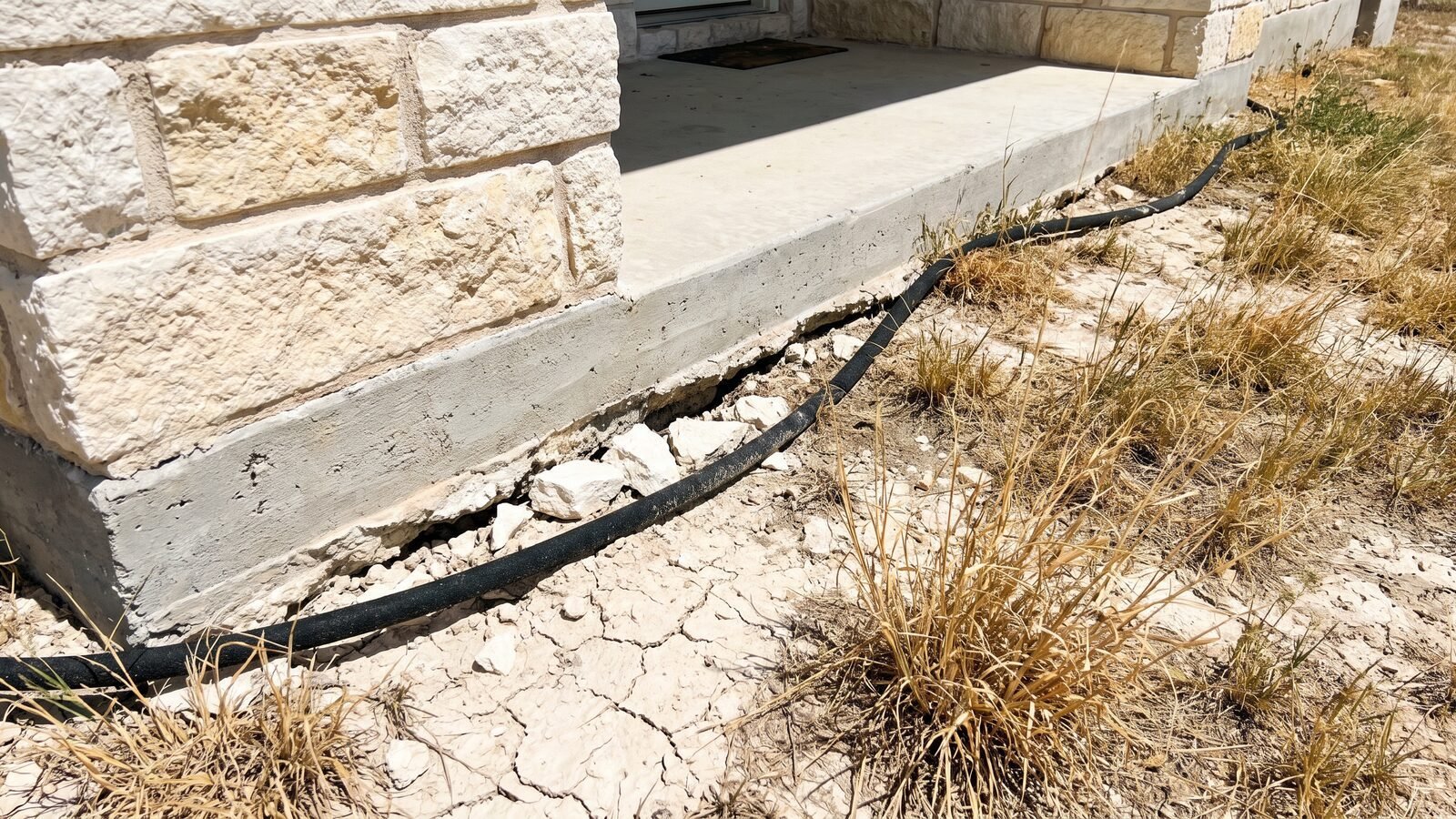 Foundations
The Foundation Watering Guide for Homes on Limestone
Why Hill Country slabs move even when there is rock underneath, and the watering discipline that keeps them still.
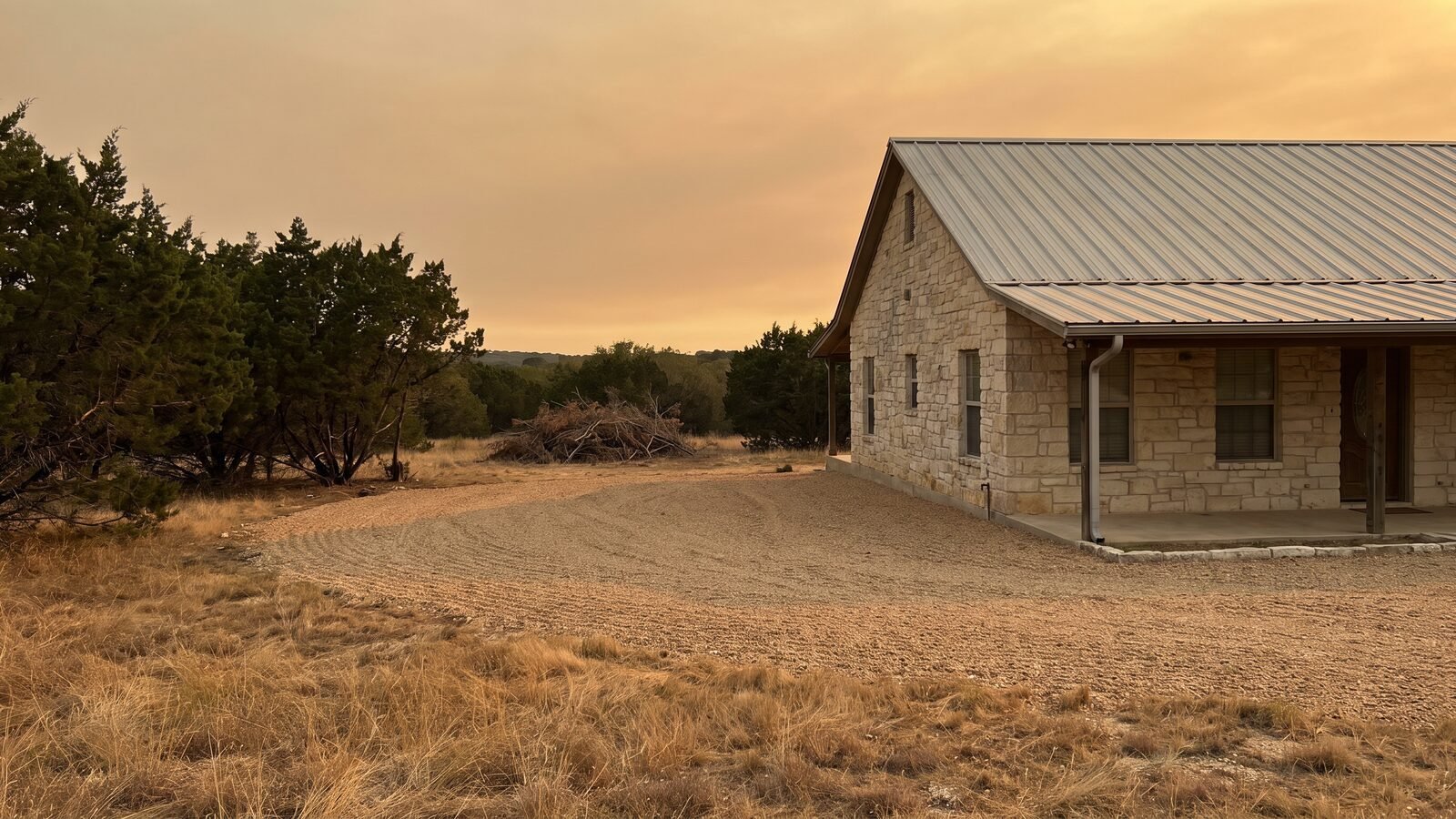 Wildfire
Wildfire Season Preparation for Rural Hays County Properties
Defensible space, ember-resistant assemblies, and the roof details that decide whether embers find fuel.
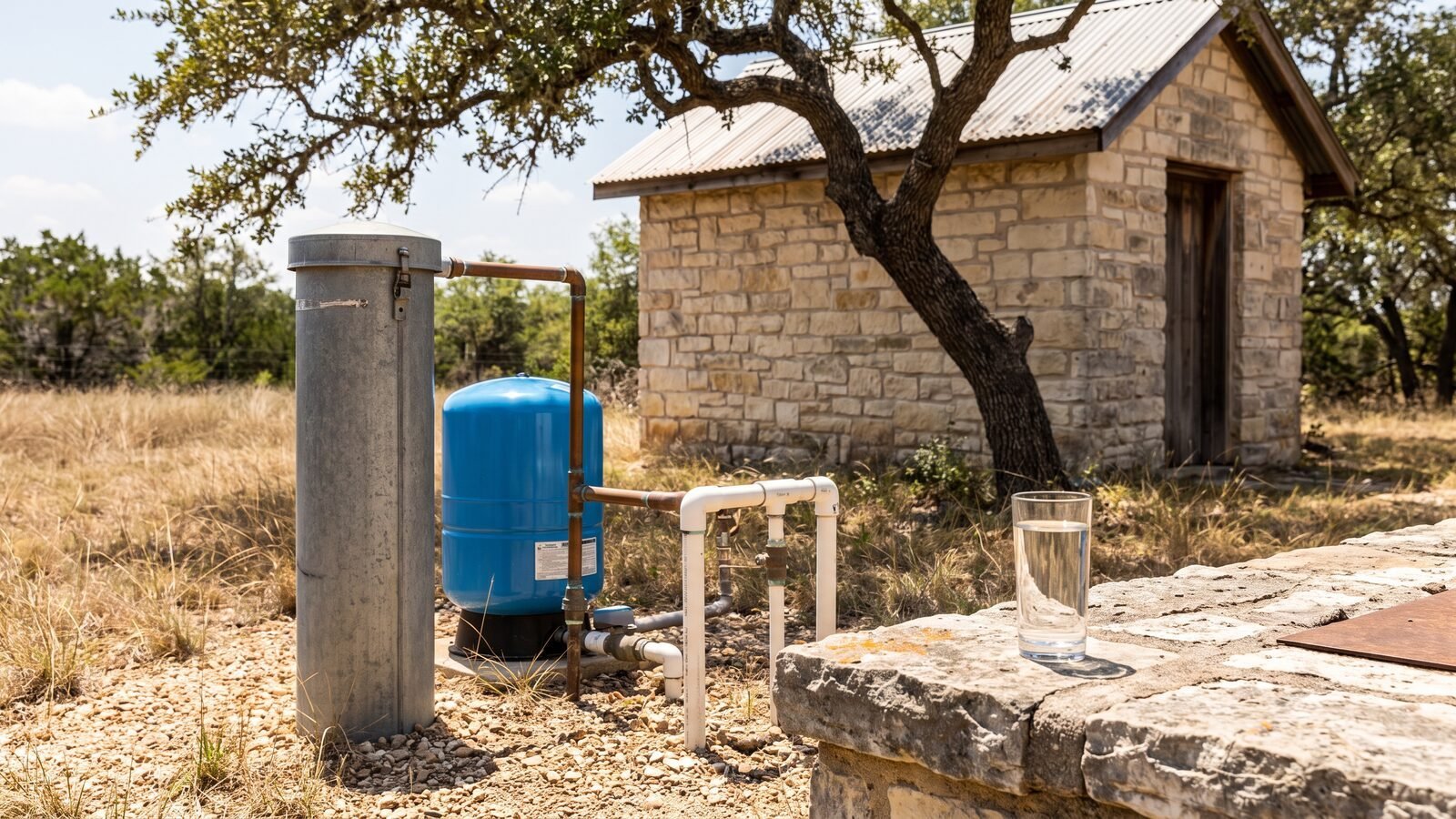 Well & Septic
Well Water Safety: Maintaining Systems in Dripping Springs Estates
Testing cadence, pressure-tank symptoms, and how roof runoff interacts with your wellhead.
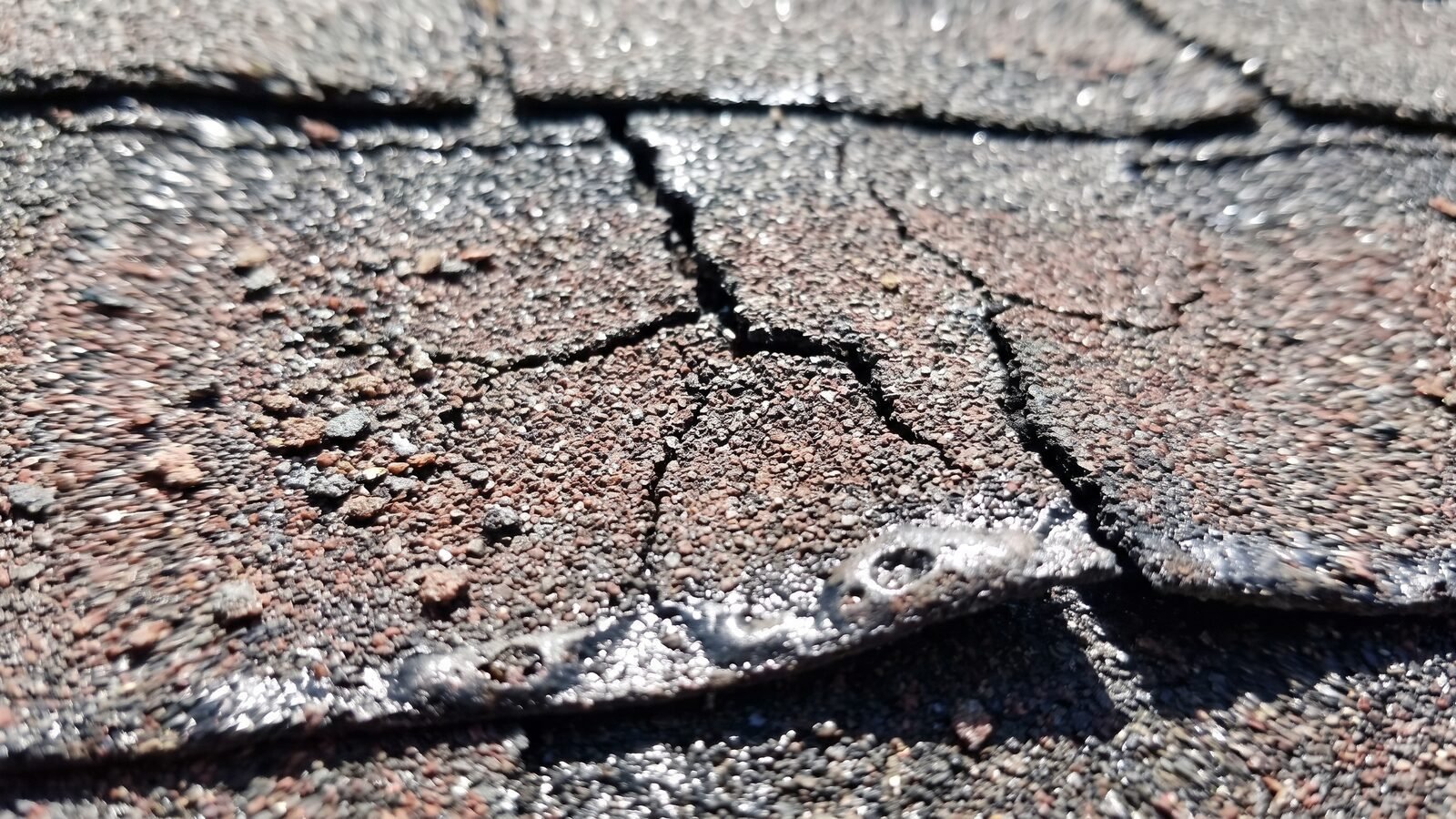 Roof Science
Why Bulverde Temperatures Swing 40°F and What It Does to Your Shingles
Thermal cycling, granule loss, and why a roof can fail on sunny days without a single storm.
Questions we get on every first call.
How much does a new roof cost in the Texas Hill Country?
For a typical 2,000–2,600 sq ft Hill Country home, Class 4 impact-resistant asphalt shingle systems generally land in the mid-five-figure range, and 24-gauge standing seam metal runs roughly two to three times that per square foot. Steep pitch, multiple roof planes, and tear-off of more than one layer push costs up. Our satellite quote tool measures your actual roof area and returns a price band in about two minutes.
Do Class 4 impact-resistant shingles really lower my insurance?
Most Texas carriers offer a premium credit for a UL 2218 Class 4 roof, commonly cited in the 10–25% range on the wind/hail portion of your policy. The credit is set by your carrier, not by us — ask for it by name and send them the manufacturer certificate we provide at closeout.
How long does a metal roof last in this climate?
A properly installed 24-gauge standing seam system with a Kynar 500® finish carries a service expectation of 40 to 70 years. The finish warranty covers chalk and fade; the failure mode in our region is almost never the panel, it is the flashing and fastener detail, which is why we use concealed-fastener assemblies.
Will a metal roof make my house hotter?
The opposite. A reflective standing seam assembly over a ventilated deck can reduce attic temperatures by up to roughly 40°F compared with dark aged asphalt in peak Texas sun, because it reflects solar radiation instead of storing it. Cooler attic air means less load on ducts running through it.
Is my roof runoff safe for a rainwater collection system?
It can be. Kynar 500®-coated Galvalume is widely used for potable catchment; unpainted galvanized and asphalt shingle runoff are not appropriate for drinking water. If you catch water, tell us before material selection — the coating and the flashing sealants both matter.
How do I know you are not a storm chaser?
Three checks that take five minutes: we have a physical office you can drive to at 3618 Barrington St, San Antonio, TX 78217, we carry Texas RCAT credentials, and we hand you a written itemized scope with a defined change-order policy before you sign anything. A contractor working out of a truck with an out-of-state plate can offer none of those.